Why Hormonal Decline Is Easy to Miss
Hormonal decline doesn’t happen overnight. It’s a gradual process, testosterone drops 1–2% per year in men starting in their thirties; estrogen and progesterone fluctuate for years before menopause. Because the changes are slow, many people adapt to feeling progressively worse without realizing that what they’re experiencing has a hormonal root cause.
They attribute their fatigue to a busy schedule. Their weight gain to aging. Their brain fog to stress. Their low libido to relationship dynamics. And because these symptoms overlap with so many other conditions, they often go undiagnosed or are misattributed to depression, thyroid issues, or just “getting older.”
The truth is that hormonal imbalance has a distinct pattern. When you see multiple symptoms clustering together, especially if they appeared gradually in your thirties, forties, or fifties, hormones deserve investigation.
The Symptom Clusters: What to Watch For
Hormonal imbalance rarely presents as a single symptom. It tends to show up as a cluster, several related symptoms that affect different systems simultaneously. Here are the most common clusters, organized by the hormonal deficiency driving them.
Low Testosterone (Men and Women)
Testosterone decline affects both sexes, though the symptoms differ in emphasis.
In Men:
- Persistent fatigue that doesn’t improve with rest
- Loss of muscle mass or difficulty building muscle despite consistent training
- Increased body fat, especially around the abdomen
- Decreased libido and reduced sexual performance
- Brain fog, difficulty concentrating, slow thinking, poor memory
- Irritability, mood swings, or low-grade depression
- Reduced motivation and drive, the “spark” feels dimmed
- Sleep disruption, lighter sleep, more nighttime awakenings
If you’re a man experiencing three or more of these symptoms, low testosterone should be at the top of the diagnostic list.
In Women:
- Low libido or absent sexual desire
- Fatigue and low energy, especially in the afternoon
- Difficulty maintaining muscle tone
- Hormone-related weight gain around the midsection
- Flat mood or reduced sense of well-being
- Brain fog and difficulty with word recall
Women’s testosterone decline is less discussed than men’s, but it is clinically significant. Low-dose testosterone optimization can be transformative for women experiencing these symptoms.
Estrogen and Progesterone Decline (Women)
This cluster is most common during perimenopause and menopause:
- Hot flashes or night sweats
- Irregular periods (perimenopause) or absent periods (menopause)
- Vaginal dryness or discomfort during intercourse
- Sleep problems, especially difficulty staying asleep
- Anxiety, irritability, or emotional reactivity that feels disproportionate
- Brain fog and reduced cognitive sharpness
- Joint pain or stiffness
- Thinning skin, hair, or nails
- Urinary frequency or recurrent UTIs
If you’re a woman in your late thirties to fifties experiencing several of these symptoms, your estrogen and progesterone levels warrant evaluation. Estrogen and progesterone balancing can address the root cause.
Thyroid Imbalance (Men and Women)
Thyroid imbalance can mimic or amplify other hormonal deficiencies:
- Unexplained weight gain or inability to lose weight
- Feeling cold when others are comfortable
- Dry skin and brittle hair
- Constipation
- Fatigue, a heavy, sluggish fatigue distinct from the fatigue of low testosterone
- Depression or flattened mood
- Elevated cholesterol despite healthy diet
Thyroid issues frequently coexist with sex hormone imbalances, which is why comprehensive lab testing should always include a full thyroid panel, not just TSH.
Adrenal Dysfunction (Men and Women)
Adrenal fatigue, often driven by chronic stress, can produce its own symptom cluster:
- Difficulty waking up in the morning, even after adequate sleep
- Energy crashes in the mid-afternoon
- Craving salt or sugar
- Poor stress tolerance, feeling overwhelmed by situations that used to be manageable
- Frequent illness or slow recovery from colds
- Light-headedness when standing up quickly
Cortisol and DHEA (both adrenal hormones) interact with testosterone, estrogen, and thyroid hormones. Addressing adrenal function is often a critical piece of the optimization puzzle.
The Self-Assessment
Use the following questions to evaluate your symptoms. This is not a diagnostic tool, it’s a framework for recognizing patterns that warrant professional evaluation.
Score each question from 0 to 3:
- 0 = Not at all
- 1 = Mild or occasional
- 2 = Moderate or frequent
- 3 = Severe or constant
Energy and Vitality
- Do you feel tired even after a full night’s sleep?
- Has your overall energy level declined compared to a few years ago?
- Do you experience energy crashes during the day?
- Do you rely on caffeine to function normally?
Body Composition
- Have you gained weight (especially around the abdomen) without changing your diet or exercise?
- Is it harder to build or maintain muscle than it used to be?
- Has your body shape changed despite consistent habits?
Cognitive Function
- Do you experience brain fog, difficulty concentrating, organizing thoughts, or recalling words?
- Has your mental sharpness or processing speed declined?
- Do you forget things more easily than you used to?
Mood and Emotional Health
- Are you more irritable, anxious, or emotionally reactive than before?
- Do you feel less motivated or driven than you used to?
- Have you experienced unexplained mood changes or a flattened sense of well-being?
Sleep
- Do you have difficulty falling asleep or staying asleep?
- Do you wake up feeling unrefreshed?
- Do you experience night sweats (women)?
Sexual Health
- Has your libido decreased significantly?
- Have you noticed changes in sexual function or responsiveness?
Physical Symptoms
- Do you experience hot flashes or temperature dysregulation (women)?
- Have you noticed increased joint stiffness or pain?
- Has your skin become thinner, drier, or less elastic?
- Do you get sick more frequently or recover more slowly?
Scoring Guide
0–15: Your symptoms are minimal. Hormonal factors may not be the primary issue, though baseline lab work is always valuable for establishing a reference point.
16–30: Moderate symptom burden. Multiple symptoms suggest possible hormonal involvement. A comprehensive lab panel is recommended to identify any deficiencies.
31–45: Significant symptom burden. The cluster pattern strongly suggests hormonal imbalance. Lab testing and clinical evaluation should be a priority.
46+: Severe symptom burden. Hormonal deficiency is very likely contributing to your symptoms. We strongly recommend a comprehensive lab review and consultation.
Why Symptoms Alone Aren’t Enough
Self-assessment is a starting point, not a diagnosis. Many of these symptoms can be caused by conditions other than hormonal imbalance: thyroid disorders, anemia, vitamin deficiencies, sleep apnea, depression, chronic infection, and more.
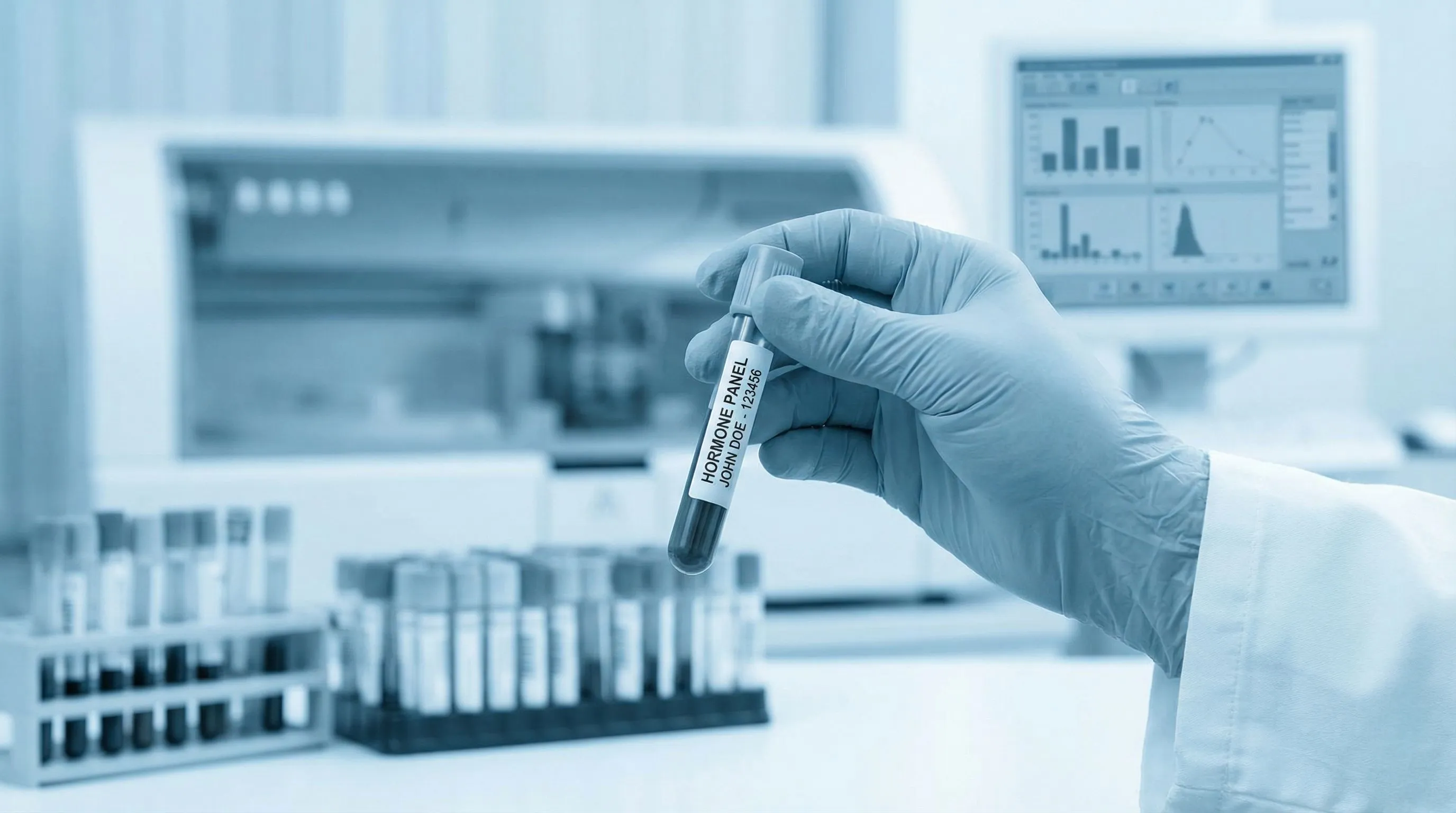
This is why comprehensive lab testing is non-negotiable. Your provider needs objective data to:
- Confirm whether hormonal deficiency exists
- Identify which hormones are deficient and by how much
- Rule out other causes that might mimic hormonal symptoms
- Establish a baseline for monitoring treatment response
At BHRT Boost, comprehensive lab review includes a complete hormone panel, thyroid markers, metabolic markers, and other relevant tests, all interpreted using optimal reference ranges, not just broad population averages.
What Comes Next
If your self-assessment suggests hormonal involvement, here’s the path forward:
- Get comprehensive labs, Not a basic panel from your PCP, but a thorough hormone, thyroid, metabolic, and adrenal assessment
- Consult with a specialist, A provider trained in hormone optimization, like Dr. Bruce Stratt, will interpret your labs in the context of your symptoms and design an individualized protocol
- Start a personalized protocol, Bioidentical hormone therapy tailored to your lab results, not a one-size-fits-all prescription
- Monitor and optimize, Regular follow-up labs and protocol adjustments to ensure you reach and maintain optimal levels
The sooner you identify hormonal deficiency, the sooner you can address it. Many patients look back and wonder why they waited so long to investigate, once they feel the difference, they wish they’d acted sooner.
The Bottom Line
Hormonal imbalance doesn’t announce itself with a single dramatic symptom. It creeps in gradually, eroding your energy, focus, sleep, mood, body composition, and vitality over months and years. By the time most people seek help, they’ve been living with suboptimal hormone levels for far longer than they realize.
If you recognize yourself in the symptom clusters above, especially if multiple clusters resonate, it’s time to get your hormones checked. A comprehensive lab panel is the first step toward understanding what’s happening in your body and reclaiming how you feel.
Book your consultation →