

The TRT Diet: What to Eat to Maximize Testosterone Results
Nutrition is the force multiplier for TRT. Learn the best foods, macros, supplements, and meal strategies to amplify your testosterone therapy results.
TRTNutritionDiet
Comprehensive bloodwork + physician evaluation, only $99 to get started. Test your levels →

Testosterone is the primary androgen hormone in men. It regulates muscle mass, bone density, fat distribution, red blood cell production, libido, mood, cognitive function, and energy. It is, in many ways, the hormone that most directly influences how men feel and function day to day.
Testosterone production peaks in early adulthood and begins a gradual decline, approximately 1–2% per year, starting around age 30. By age 50, many men are operating with significantly less testosterone than they had in their twenties. By age 70, levels can be half or less of peak values.
This age-related decline is sometimes called andropause or late-onset hypogonadism. Unlike menopause in women, which involves a relatively rapid hormonal shift, the decline in men is gradual, slow enough that many men don’t recognize the symptoms until they’ve been accumulating for years.
The symptoms of low testosterone are wide-ranging and affect nearly every system in the body:
Many of these symptoms overlap with other conditions, thyroid disorders, adrenal fatigue, depression, sleep disorders, which is why accurate diagnosis requires comprehensive lab testing, not symptom assessment alone.
Diagnosis begins with blood work. A thorough hormone panel for men should include:
Standard laboratory reference ranges for testosterone are broad, typically 264–916 ng/dL for total testosterone. A man at 280 ng/dL would be flagged as “normal” by most labs, despite being at the very bottom of the range and likely experiencing significant symptoms.
Providers trained in age management medicine, like Dr. Bruce Stratt, use optimal ranges rather than population averages. The goal is not to be “normal”, it’s to achieve the levels associated with vitality, performance, and long-term health.
Testosterone replacement therapy delivers bioidentical testosterone to restore levels to an optimal range. The testosterone used in TRT is structurally identical to the testosterone your body produces, it is not a synthetic analog.
Intramuscular Injections (Testosterone Cypionate or Enanthate) The most common delivery method. Injections are typically administered weekly or biweekly, either by a provider or self-administered at home. Intramuscular injections deliver reliable, predictable levels.
Subcutaneous Injections A newer approach using smaller needles and shallower injection depth. Some patients prefer this for comfort. Research has shown comparable absorption to intramuscular injection.
Topical Gels and Creams Applied daily to the skin (shoulders, inner thighs, or other areas). Provides a more steady-state delivery without the peak-and-trough pattern of injections. Transfer risk to partners or children requires awareness and precautions.
Subcutaneous Pellets Small pellets are inserted under the skin in a brief office procedure, releasing testosterone steadily over 3–5 months. Ideal for patients who want minimal maintenance.
Patches Transdermal patches applied daily. Less commonly used due to skin irritation and adhesion issues.
Your provider will recommend the optimal delivery method based on your labs, lifestyle, and clinical goals. At BHRT Boost, the most common protocols use injections or topical formulations for their reliability and ease of dose adjustment.
When properly dosed and monitored, testosterone replacement therapy produces measurable improvements across multiple domains:
Testosterone supports lean muscle development and fat metabolism. Most men on TRT notice reduced abdominal fat, improved muscle definition, and better strength gains from exercise within 8–12 weeks.
The persistent fatigue that characterizes low T typically resolves within the first few weeks of treatment. Patients report feeling more energized, motivated, and capable of sustained effort.
Testosterone supports neuroplasticity, focus, and memory. Many men describe the cognitive improvement as “lifting a fog”, they can think more clearly, make decisions faster, and focus for longer periods.
Irritability, anxiety, and low mood often improve significantly. Testosterone influences serotonin and dopamine pathways, contributing to emotional resilience and a more stable baseline mood.
Libido improvements are among the most consistently reported benefits. Erectile quality and frequency of morning erections typically improve, though severe erectile dysfunction may require additional evaluation.
Testosterone supports healthy sleep architecture. Many patients experience improved sleep depth and fewer nighttime awakenings. For additional sleep support, sermorelin therapy can be added to the protocol.
Testosterone stimulates bone formation and slows resorption. Long-term TRT supports skeletal health, reducing fracture risk as men age.
For years, the cardiovascular safety of testosterone therapy was debated. The TRAVERSE Trial (2023) settled the question definitively. This large, randomized, placebo-controlled trial enrolled over 5,200 men aged 45–80 with hypogonadism and cardiovascular risk factors. The primary finding:
Testosterone therapy did not increase the risk of major adverse cardiovascular events (heart attack, stroke, or cardiovascular death).
This was a practice-changing result that affirmed the safety of testosterone replacement in the population most commonly treated.
Safe TRT requires regular lab monitoring to ensure:
At BHRT Boost, follow-up labs are typically drawn 6–8 weeks after starting therapy, then every 3–6 months for ongoing monitoring.
When testosterone levels rise, some testosterone is converted to estradiol by the aromatase enzyme. If estradiol rises too high, patients may experience:
Your provider monitors estradiol levels and may prescribe an aromatase inhibitor (like anastrozole) at a low dose if needed to keep estradiol in the optimal range.
Exogenous testosterone suppresses the body’s own testosterone production by downregulating LH and FSH from the pituitary. This can reduce sperm production. If fertility preservation is a concern, your provider may recommend alternatives or adjunctive therapies (such as hCG or clomiphene) to maintain testicular function while on TRT.
This is an important conversation to have before starting therapy, and a provider experienced in hormone optimization can help navigate the options.
Week 1–2: Improved energy, better sleep, early mood improvements. Some patients notice these changes within days.
Week 3–6: Libido begins to increase. Motivation and drive improve. Cognitive clarity sharpens. Early body composition changes (reduced water retention, initial fat loss).
Week 6–12: Significant body composition changes, visible fat loss, muscle gains, improved strength. Mood stability deepens. Sexual function improvements continue.
Month 3–6: Full optimization. Lab markers confirm hormonal balance. Patients typically report feeling fundamentally different, more capable, more resilient, more like themselves.
Ongoing: Benefits are maintained with continued therapy. Stopping TRT will result in testosterone levels returning to their pre-treatment baseline and symptoms recurring.
Testosterone optimization is most effective as part of a broader strategy. At BHRT Boost, TRT is often combined with:
If you’re experiencing symptoms of low testosterone, the first step is a comprehensive lab panel. At BHRT Boost, every protocol is built on data, not guesswork. Your provider will review your labs, discuss your symptoms and goals, and design a personalized TRT protocol calibrated to your unique biology.
Don’t settle for being told your levels are “normal” when you don’t feel normal. Optimal is not the same as average.
BHRT Boost Clinical Team
Our clinical team combines decades of experience in hormone optimization, functional medicine, and patient-centered care. Every article is reviewed for medical accuracy and practical relevance.
Nutrition is the force multiplier for TRT. Learn the best foods, macros, supplements, and meal strategies to amplify your testosterone therapy results.
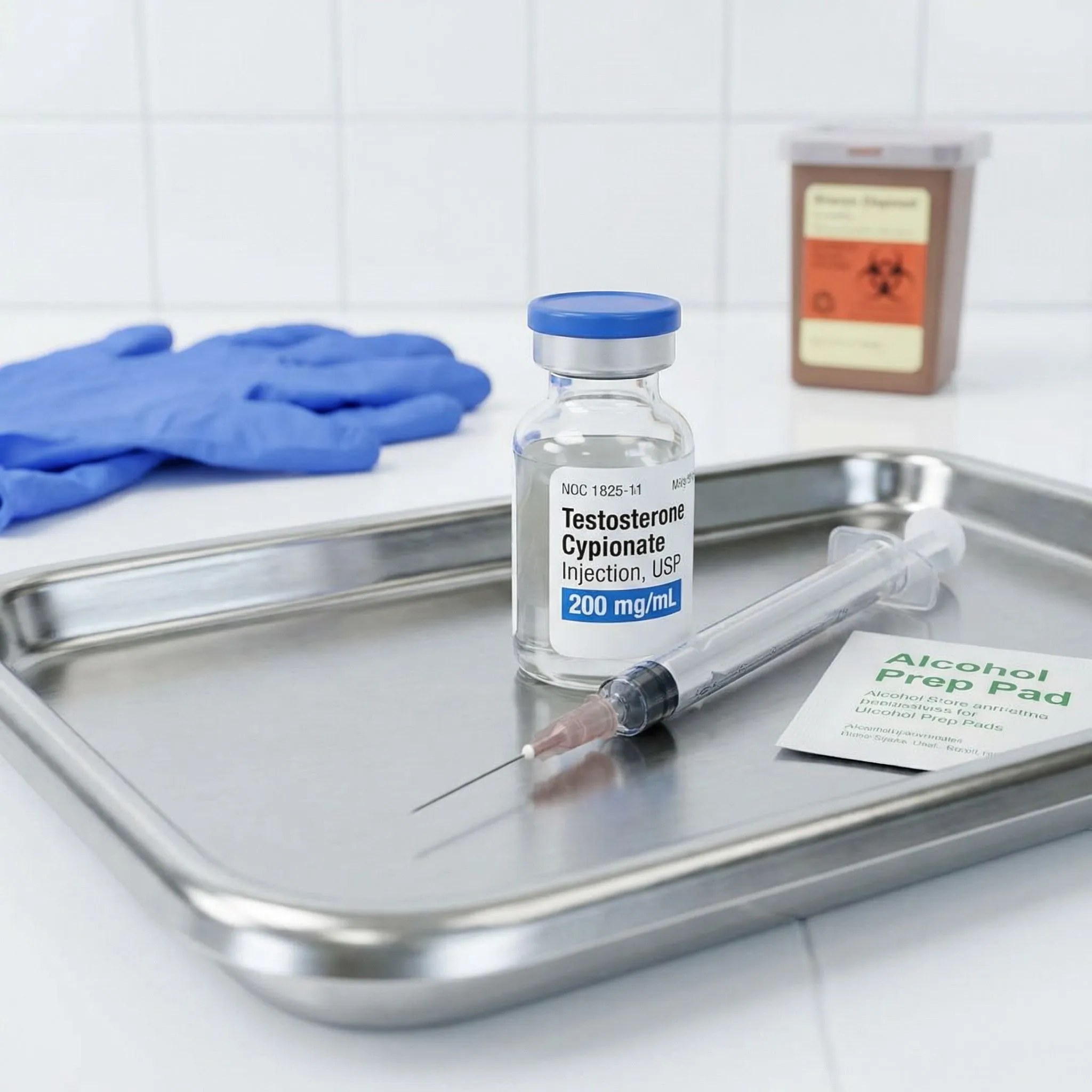
A step-by-step guide to testosterone injections, proper technique, injection sites, needle selection, frequency protocols, and tips for painless self-administration.

An evidence-based comparison of bioidentical and synthetic hormones, molecular differences, how the body metabolizes each, safety evidence, and why the distinction matters for your treatment.
Comprehensive bloodwork + physician evaluation by Dr. Stratt, MD.